

Receding Gums: Causes, Treatment, and Prevention
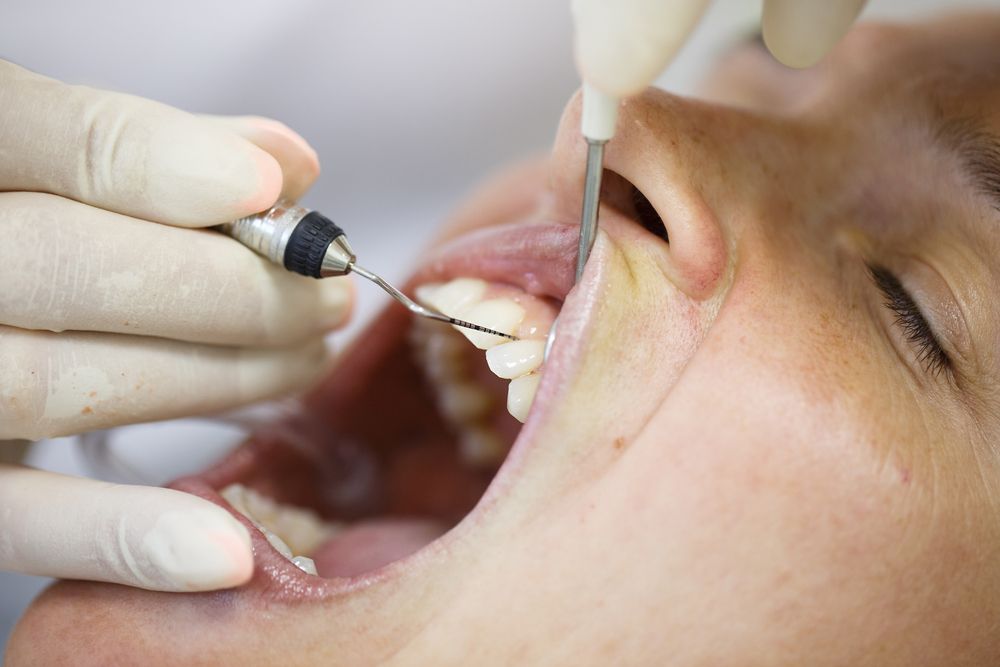
Receding gums are a common dental issue that can quietly develop over time. As gum tissue pulls away from the teeth, sensitive areas of the tooth and root become exposed, increasing the risk of discomfort, decay, and infection. Recognizing the early signs of gum recession and understanding your treatment options are essential steps in protecting your oral health.
What Are Receding Gums?
Healthy gums fit snugly around your teeth, creating a protective seal. When gums recede, they expose areas of the tooth that are not meant to be visible. This can make teeth appear longer and create small pockets where bacteria can collect, increasing the risk of infection and gum disease.
Common Causes of Receding Gums
Several factors can contribute to gum recession, including:
- Gum Disease: Periodontal disease is one of the leading causes of receding gums. Bacterial plaque buildup can destroy gum tissue and supporting bone, causing the gums to pull away from the teeth.
- Aggressive Brushing: Brushing too hard or using a toothbrush with stiff bristles can wear down enamel and irritate gum tissue over time, leading to recession.
- Poor Oral Hygiene: Inadequate brushing and flossing allow plaque and tartar to accumulate, increasing the likelihood of gum inflammation and recession.
- Genetics: Some people are more genetically predisposed to gum recession, even with good oral hygiene habits.
- Tobacco Use: Smoking and other tobacco products reduce blood flow to the gums and impair healing, making recession more likely.
Signs and Symptoms to Watch For
Receding gums don’t always cause pain right away. Common warning signs include:
- Tooth sensitivity to hot, cold, or sweet foods
- Teeth appearing longer than normal
- Visible tooth roots
- Tender, swollen, or bleeding gums
- Notches or grooves near the gumline
If you notice any of these symptoms, it’s important to seek dental care promptly.
Treatment Options for Receding Gums
Treatment for receding gums depends on how advanced the condition is and what’s causing the recession. After a thorough evaluation, your dentist will recommend an approach designed to stop progression, reduce discomfort, and protect your teeth.
For mild to moderate gum recession related to gum disease, a deep cleaning - also known as scaling and root planing - may be recommended. This treatment removes plaque and bacteria from below the gumline and smooths the tooth roots, helping the gums heal and reattach more effectively.
In more advanced cases where significant gum tissue has been lost, gum grafting may be necessary. This procedure involves adding healthy tissue to the affected area to restore the gumline, protect exposed tooth roots, and reduce sensitivity while improving the appearance of the smile.
How to Prevent Receding Gums
While not all cases can be prevented, good habits go a long way in protecting your gums:
- Brush gently twice a day with a soft-bristled toothbrush
- Floss daily to remove plaque between teeth
- Schedule regular dental checkups and cleanings
- Avoid tobacco products
- Maintain a balanced diet to support gum health
Routine dental visits allow problems to be identified before they become more serious.
Take the First Step Toward Healthier Gums
Receding gums can affect your comfort, oral health, and overall well-being. The good news is that with early intervention and proper care, gum recession can often be managed effectively. Paying attention to changes in your gums and maintaining consistent dental care can help keep your smile healthy and strong.
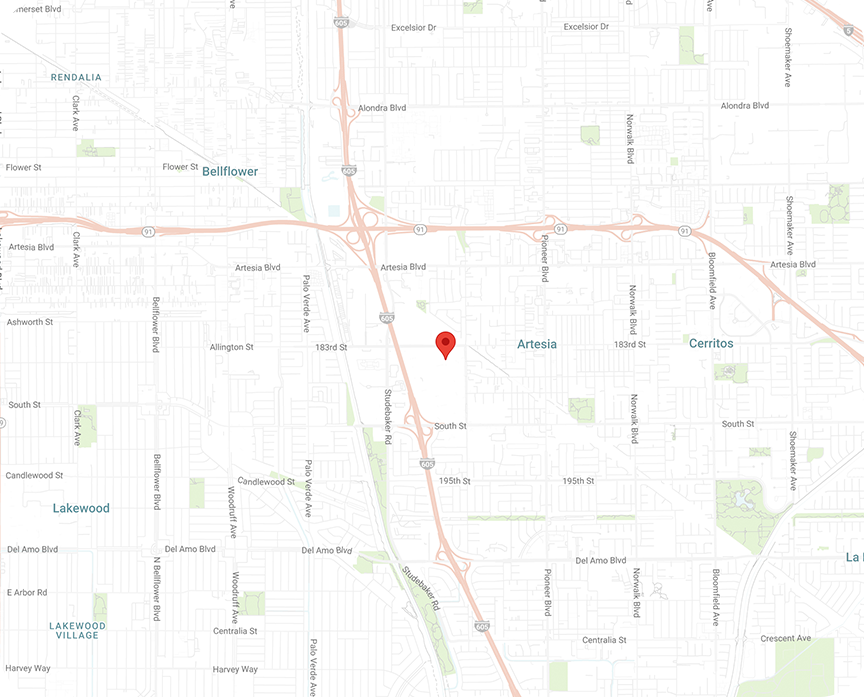
If you’re experiencing gum sensitivity, notice changes along your gumline, or want to take a proactive approach to your oral health, Bloomfield Dental is here to help. Contact our office in Cerritos, California, by calling (562) 245-4200 to book a dental exam today.

Dental Care
Services
Keep
In Touch

Call Us Today
(562) 245-4200
- Monday 8:30am - 5:30pm
- Tuesday 9:00am - 6:00pm
- Wednesday 8:30am - 5:30pm
- Thursday 9:00am - 6:00pm
- Friday 9:00am - 2:00pm
- Saturday Closed
- Sunday Closed
© 2026 Bloomfield Dental. All rights Reserved. Accessibility Statement - Privacy Policy - Sitemap
Powered by:
